
Resource Hub
Tools, learning, and support for Eastern Indigenous peoples, families, and community-led organizations. Visit each section to find resources for:
Who can use these resources?
Look for an eligibility label with each listing:
Federally recognized only — Citizenship or qualifying descent in a federally recognized Native Nation is required.
Federal + state recognized — Members or qualifying descendants of federally or state-recognized Native Nations may qualify.
Relationally/intertribally recognized — Community-recognized membership may qualify without federal or state recognition.
Indigenous identity — The provider identifies Indigenous people as the intended community. Read each listing for enrollment or documentation rules; some are not published.
All my relations — No Native identity or community membership is required for the resource described.
These labels describe access to the linked resource or named program, not a person’s identity or the legitimacy of a Native Nation. Public learning materials may be open to everyone while funding, care, and community programs have narrower rules. Age, location, fees, documentation, and application requirements may also apply. Where a provider does not publish a clear rule, we say so rather than assume eligibility.
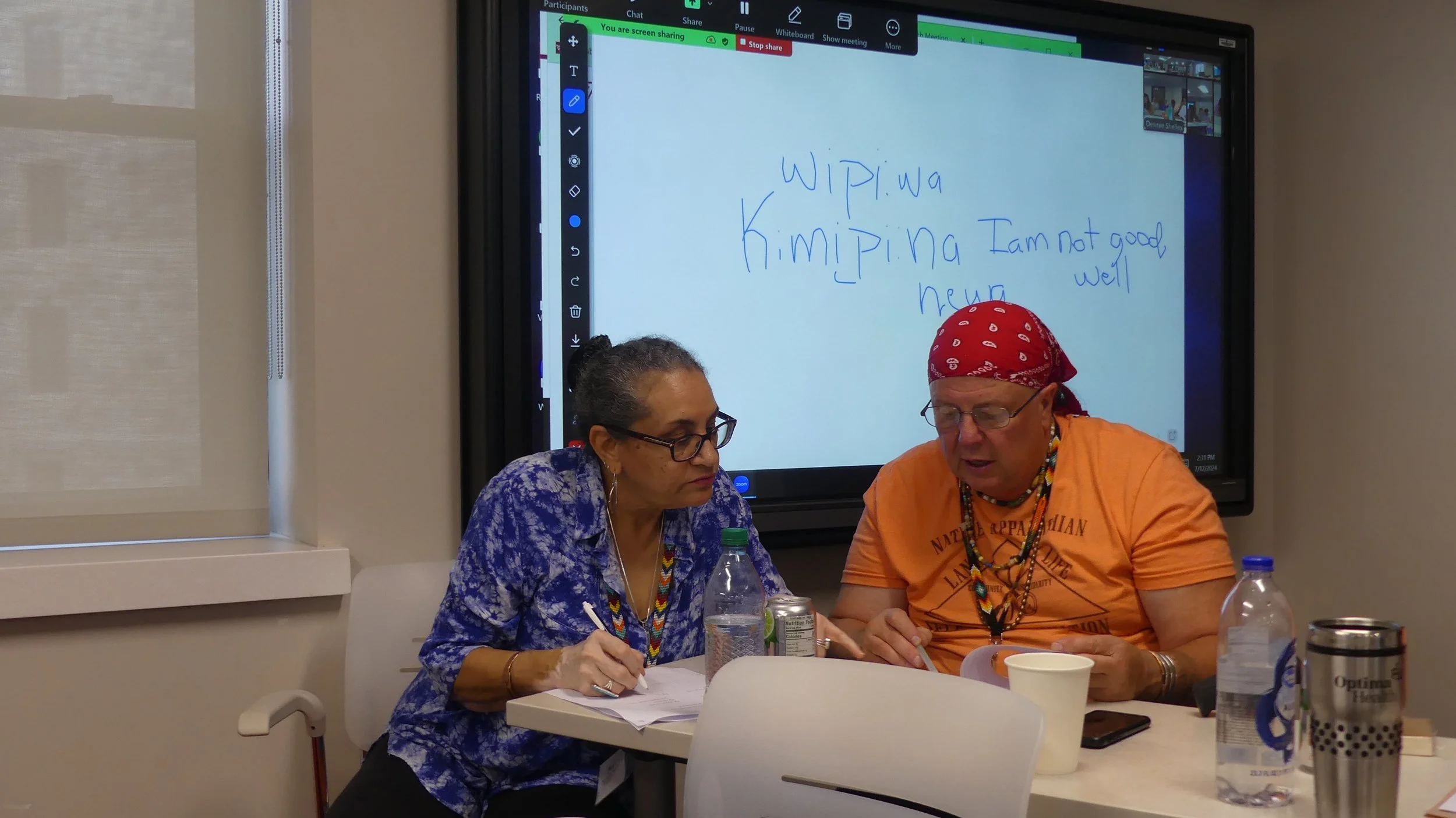
Watch & learn with Indigenous East.
2024 Land Rematriation Panel · Indigenous East × ProMotion
Eligibility: All my relations — Public panel recording; no Native identity or community membership is required to watch.
Our Homemade Resources to Support Land Return
Maps & Places
Spatial explorations of the places, historic connections, and opportunities for Indigenous land return.
Explore Our Land Rematriation Projects map →
Eligibility: All my relations — Public map; no Native identity or community membership is required to explore it.
Ki:li — Mapping the Indigenous East →
Eligibility: All my relations — Public project information. Interview participation and community consultation have separate project criteria.
Educational video library
Conversations about the tools, relationships, and responsibilities that support Indigenous land return.
Land return & cultural relationships
Land Rematriation — Chief John Creel ↗
Eligibility: All my relations — Public educational video.
Sacred Sites — Chief John Creel ↗
Eligibility: All my relations — Public educational video.
Cultural Access Agreements — Chief John Creel ↗
Eligibility: All my relations — Public educational video.
Tools for holding & protecting land
Land Trusts — Chief John Creel ↗
Eligibility: All my relations — Public educational video.
Conservation Easements — Chief Cail ↗
Eligibility: All my relations — Public educational video.
Heirs’ Property — Chief Cail ↗
Eligibility: All my relations — Public educational video.
Fee Simple Ownership — Dr. Carolyn Dillian ↗
Eligibility: All my relations — Public educational video.
Stewardship, Funds & Endowments — Dr. Carolyn Dillian ↗
Eligibility: All my relations — Public educational video.
Full conversations
Chief John Creel — full interview ↗
Eligibility: All my relations — Public educational video.
Chief Cail — full interview ↗
Eligibility: All my relations — Public educational video.
Dr. Carolyn Dillian — full interview ↗
Eligibility: All my relations — Public educational video.
Cultural Resources for Yesàh Peoples
Shared community knowledge
Language, history, and living cultural connections rooted in Yesáh communities.
Yesa:sahī́ Language Project ↗
Eligibility: All my relations — Public lesson files and donation-supported downloads. Community classes are for Yesáh community members; registration and access to research archives have separate requirements.
Language learning · Yesáh communities
Find greeting lessons, audio-linked learning materials, and information about community language classes. Some resources are offered through donations; check the project’s current access and registration details.
Oxa:teta: A Yesáh Place of Perpetual Gathering ↗
Eligibility: All my relations — Public digital monument, histories, and learning pathways.
Digital history & future-making · Eastern Siouan peoples
Explore a living digital monument connecting Yesáh histories, contemporary communities, research, and cultural futures.
Learning at Kihkǫspé:hla →
Eligibility: All my relations — Visit and partnership inquiries are welcome from communities, students, and scholars. Visits are arranged in advance; individual gatherings may be community-specific.
Place-based learning · Yesáh communities, students & scholars
Explore cultural and ecological learning at our Irish Creek campus, where language, foodways, history, and research connect with land. Contact us to arrange a visit or discuss a learning partnership.
Virginia Tech Eastern Siouan Mapping Project ↗
Eligibility: All my relations — Public article and historical mapping resource.
Historical mapping · Eastern Siouan homelands
Explore a collaborative map of seventeenth-century Eastern Siouan communities, languages, towns, and travel routes, developed with Tribal community members, historians, and Virginia Tech researchers.
StoryMap: A Shared history & Timeline of Yesàh Peoples ↗
Eligibility: All my relations — Public StoryMap; no Native identity or enrollment is required to explore it.
Interactive history · Yesáh communities & learners
Explore a community-centered timeline connecting ancestral homelands, historical events, migrations, and the continuing presence of Yesáh peoples, from early history to the present.
StoryMap: The Midwestern Yesą Migration ↗
Eligibility: All my relations — Public StoryMap; no Native identity or enrollment is required to explore it.
Migration & community history · Ohio, Indiana & Michigan
Trace the movement of Yesą families from Virginia and the Carolinas into the Ohio Valley and Great Lakes, and learn how their descendants sustained community ties and Native identity.
Ati: Wa:oki Indigenous Community Center at Virginia Tech ↗
Eligibility: All my relations — Public information and campus learning space. Ask the center about visiting arrangements and student-specific opportunities.
Community space & student support · Virginia Tech
Find information about Virginia Tech’s Indigenous gathering and study space, cultural programs, library, and student organizations, alongside opportunities to connect with Native campus life.
Yesa:sahį́ Language and Sacred Places Project ↗
Eligibility: All my relations — Public project overview and storytelling. Community language classes and gatherings have their own participation rules.
Language renewal & sacred places · Appalachian Yesáh communities
Discover an intertribal project using language learning, storytelling, art, and community gatherings to renew connections between Yesáh peoples and their ancestral homelands.
Yésah: Journeys of the Occaneechi ↗
Eligibility: All my relations — Public online exhibit archive and educational materials.
Online exhibit archive · Occaneechi Band of the Saponi Nation
Explore the physical and cultural journeys of the Occaneechi through photographs, community stories, and cultural objects shared by the Orange County Historical Museum and the Occaneechi Band of the Saponi Nation.
Yesáh Community House ↗
Eligibility: All my relations — Public project overview. This does not grant access to Monacan lands or community-only gatherings; arrange visits with the Nation.
Living monument & cultural gathering · Monacan Indian Nation
Learn about the Monacan community’s longhouse in Monroe, Virginia, a gathering place for powwows, storytelling, song, and dance that honors Monacan history and carries living traditions forward.
Land &
Stewardship
Care for land. Support its return.
Practical starting points for Indigenous land access, rematriation, conservation partnerships, and food sovereignty.
Partnerships for Indigenous Land Access and Return ↗
Eligibility: All my relations — Public toolkit for Indigenous communities, land trusts, and partners; it is not a funding award.
Toolkit · Land Trust Alliance, Native Land Conservancy & Tahoma Peak Solutions
Explore legal and relational pathways for land access and return, with examples to inform conversations between Indigenous communities and land trusts.
A Toolkit for Partnering with Tribal Nations ↗
Eligibility: All my relations — Public conservation partnership guidance. Reading it does not require Tribal citizenship.
Toolkit · World Wildlife Fund
Guidance for conservation partnerships that respect Tribal sovereignty and support lasting relationships.
Eastern Land Rematriation Projects map →
Eligibility: All my relations — Public map. Participation in interviews or other Kì:li activities has separate project criteria.
Indigenous East · Eastern communities
See community-led land return taking shape across the East and connect with Kì:li, our mapping and listening work →.
Native Land Conservancy ↗
Eligibility: All my relations — Public toolkits and partnership inquiries from Native Nations, land trusts, nonprofits, and conservation partners. Assistance is subject to project fit and staff capacity.
Native-led organization · Northeast
Explore technical assistance, the Native Landholder Toolkit, and guides to conservation and cultural respect easements. Contact the team to discuss project fit, geography, and assistance terms.
Native American Agriculture Fund ↗
Eligibility: All my relations — Public educational resources. Grants are for qualifying organizations serving Native agricultural producers; each funding round sets entity, beneficiary, and documentation requirements.
Resources & funding · National
Find agricultural education, financial tools, and information for Native farmers, ranchers, and the organizations supporting them. Check each funding opportunity’s eligibility and dates.
Appalachian Rekindling Project ↗
Eligibility: Indigenous identity — The land-return initiative serves Indigenous people and Tribal communities. Public information and opportunities to support the work are open to all; arrange land access directly.
Land rematriation & collective land care · Appalachia
Learn about Indigenous-led land return, ecological restoration, and cultural homecoming across Appalachia, including the project’s work toward an intertribal gathering place in central Appalachia.
Strong Communities
& Organizations
Build the capacity to keep going.
Tools for stronger relationships, shared work, fundraising, and organizations that can sustain their missions.
Sustained Collaboration Network ↗
Eligibility: All my relations — Public nonprofit collaboration tools. Individual member funds have separate funding rules.
Collaboration roadmap & tools · Nonprofit leaders and boards
Explore readiness assessments, discussion guides, organizational mapping, sample board resolutions, and MOU resources. A useful starting point for shared staffing, shared services, alliances, or deeper partnerships.
First Nations: Grantseeker Resources ↗
Eligibility: All my relations — Public application guidance. A grant application must meet the specific funding opportunity’s Native-serving, entity, and geographic requirements.
Application guides · Native organizations
Prepare stronger proposals with grant-readiness tools, application tips, common rejection reasons, and guidance on fiscal sponsorship.
First Nations Knowledge Center ↗
Eligibility: All my relations — Public publications and recorded learning; some live offerings may require registration.
Publications, webinars & learning · National
Browse Native-led learning on organizational development, food systems, land stewardship, language, arts, and community economies.
Native Americans in Philanthropy: Resource Center ↗
Eligibility: All my relations — Public resources; member-only sessions and benefits have separate access terms.
Toolkits, research & relationships · National
Find resources to understand Native philanthropy and support more informed, reciprocal relationships between Native communities and funders.
Native Wellness Institute ↗
Eligibility: All my relations — Public service information and ally training inquiries. Native-focused gatherings and contracted training use provider- or host-specific participation rules; confirm fit and fees.
Training & technical assistance · Communities and staff teams
Explore community wellness, leadership, and other training that can be tailored to your organization. Ask about fees and delivery options. These offerings build capacity and are distinct from clinical treatment.
Intertribal Centers
& Gathering Places
Find community, wherever you live.
Intertribal centers connect Native people across Nations through cultural learning, gathering, and practical support. This starting list highlights organizations and gathering initiatives east of the Mississippi River. Visit each site for current programs, service areas, and arrangements for visiting.
Baltimore American Indian Center ↗
Eligibility: Indigenous identity — Community programming welcomes Native people from all tribes and Nations. Exact enrollment/documentation rules are not published; confirm for the activity. Museum education also welcomes non-Native visitors.
Intertribal cultural center · Baltimore, Maryland
Connect with cultural classes, community gatherings, and the Heritage Museum at a Lumbee-founded center welcoming Native people from all tribes and Nations.
Urban Indigenous Collective ↗
Eligibility: Indigenous identity — Indigenous membership accepts self-identification and asks for community affiliation; enrollment cards, blood quantum, and documentation are not required. Allied membership is available to non-Indigenous supporters.
Urban Native community center · New York City
Explore a Native-led gathering and coworking space offering cultural programs, talking circles, and opportunities to connect with the New York City Native community.
North American Indian Center of Boston ↗
Eligibility: Indigenous identity — Advocacy services do not require Tribal documentation. Formal membership and funded employment/training have additional documentation, residence, age, and other rules. Service details ↗ · Membership rules ↗
Intertribal community & practical support · Boston, Massachusetts
Find cultural and educational programs, youth activities, employment and training support, and social-service referrals for Native people in the Boston area.
American Indian Community House ↗
Eligibility: Indigenous identity — Native New Yorkers are the intended community. Program-specific recognition or enrollment rules are not published on the overview; confirm eligibility for scholarships, youth activities, and other offerings.
Urban Native arts & community · New York City
Connect with a longstanding Native community organization offering arts programming, cultural gatherings, scholarships, and youth and education initiatives.
American Indian Center of Chicago ↗
Eligibility: All my relations — Public classes and workshops welcome broad participation. Native community programs and specific events may have their own registration, age, or membership rules.
Intertribal arts, culture & youth programs · Chicago, Illinois
Explore workshops, arts programming, youth learning, and community gatherings that bring together Native people from many Nations across the Chicago area.
American Indian Family Center ↗
Eligibility: Indigenous identity — Native families are the intended community; confirm documentation and service-area requirements for each service. Some open recovery and family-support gatherings welcome anyone.
Family support & community gathering · Saint Paul, Minnesota
Find culturally grounded family and youth programs, recovery and mental health support, and housing and employment services for Native families in Saint Paul and the East Metro.
Appalachian Rekindling Project: Intertribal Center ↗
Eligibility: Indigenous identity — The project invites Indigenous individuals and people from any Tribal community to arrange use of the space. Specific recognition/documentation rules are not published; confirm access directly.
Land-based gathering initiative · Central Appalachia
Follow work to establish and sustain an intertribal Indigenous center where Native communities can return, gather, and care for land collectively. Check the project’s current plans and opportunities to get involved.
Health &
Family Wellbeing
Support for people and families.
Native-centered care, education, and support. Service areas, costs, documentation, and intake rules vary by program; contact the provider before arranging care.
Men & Boys
Resources for connection, fatherhood, and wellbeing. Check each provider’s age range before referring a boy or young person.
ReHuman: Indigenous Men’s Healing Circles ↗
Eligibility: Indigenous identity — Described as open to Indigenous men descended from peoples of the Americas, without a Tribal enrollment card or ID. Confirm current circle availability and minimum age before registering.
Free monthly talking circles · Online
Facilitated by Samuel J. Smith III for Indigenous men descended from peoples of the Americas. Tribal enrollment or an ID is not required. Registration provides the Zoom link and optional community forum; sessions are not recorded. Check current circle details ↗ and ask about the minimum age for participation.
Indian Health Service: Men’s Health ↗
Eligibility: All my relations — Public health education. Eligibility for IHS clinical care is separate and is not established by reading these materials.
Public health education · American Indian and Alaska Native men
Explore preventive-care information, chronic-disease education, and webinars focused on Native men’s health. Reading these public resources does not require enrollment in clinical care.
NAFFA: Fatherhood Is Sacred® ↗
Eligibility: All my relations — The Native-centered curriculum also welcomes non-Native parents. Facilitator certification requires registration and training; local cohorts may have additional rules.
Parenting curriculum & facilitator training · Community programs
A Native-centered approach to strengthening family relationships. The linked offering trains facilitators, with virtual and in-person options. Ask NAFFA about local programs, training fees, and bringing the curriculum to your community.
End the Silence: Resources for Guys ↗
Eligibility: All my relations — Public learning materials. Direct Canadian support services have separate geography and intake requirements.
Wellbeing tools · Indigenous boys and young men
Explore stories, short films, and culturally grounded learning about identity, puberty, relationships, and asking for help. This is a Canadian initiative; its public learning materials can be read elsewhere, while direct-support services have their own service-area rules.
Women & Girls
Connection, girl-centered programming, movement, and reproductive and family support. Some programs also welcome Two-Spirit, trans, or nonbinary relatives; check each provider’s participation criteria.
IMAGEN / Indigenous Justice Circle: Girl Societies resources ↗
Eligibility: All my relations — Public program tools and downloads. The fuller Girl Society curriculum and support network have separate access arrangements.
Program tools & curriculum · Native girls and community leaders
Find girl-centered program-design briefs, participatory assessment tools, and resilience-skill cards. Community leaders can ask about the fuller intergenerational Girl Society curriculum and support network.
Native Women Run ↗
Eligibility: Indigenous identity — Native women are the intended community. Team-specific recognition/enrollment requirements are not stated on the overview; confirm age, application, and participation rules for each team.
Movement & community · U.S. and Canada
Connect with an organization supporting Native women’s visibility, belonging, and access to running spaces. Explore team opportunities and confirm current events, ages, and participation requirements.
Center for Indigenous Midwifery ↗
Eligibility: Indigenous identity — Virtual childbirth workshops are for Indigenous families. The workshop page does not specify a federal/state recognition requirement; confirm registration details directly. Local services have separate service areas.
Pregnancy & parenting education · Online
Free monthly childbirth education workshops on Zoom, offered in English and Spanish for Indigenous families. Register with the provider. Washington-based in-person programs have separate service areas.
Indigenous Women Rising: MoonPie ↗
Eligibility: All my relations — Anyone in the U.S. or Canada needing period products or contraception may apply. Native applicants are prioritized; fulfillment depends on available supplies.
Menstrual & reproductive health supplies · U.S. and Canada
A mutual-aid request pathway for period products and contraception. Review the current request form; fulfillment depends on supplies.
The Kwek Society ↗
Eligibility: All my relations — Indigenous students and their non-Indigenous peers can receive supplies through participating schools and community partners. Distribution depends on an established partnership and available resources.
Period supplies & education · School and community partnerships
Supports Indigenous students and their peers through partner schools and Native community programs. Educators and program staff can inquire about a partnership; this is primarily a partner distribution pathway.
Shared Health & Family Resources
Native American LifeLines — Baltimore ↗
Eligibility: Federal + state recognized — Members and documented qualifying descendants of federal or state-recognized Nations, and Alaska Natives, may qualify. Service area, age, and documentation depend on the service. Provider’s eligibility explanation ↗
Urban Indian health & family support · Baltimore, Maryland
Connect with Native-centered counseling, health outreach, and family wellness resources in the Baltimore area. Ask the team about current services, eligibility, and appointments.
Native American LifeLines — Boston ↗
Eligibility: Federal + state recognized — The provider lists members and descendants of federal or state-recognized Nations, and Alaska Natives. Confirm service area, documentation, and appointment requirements. Provider eligibility sheet ↗
Urban Indian health & family support · Boston, Massachusetts
Find culturally grounded health outreach, referrals, behavioral health support, and community wellness programs serving Native people in the Boston area. Confirm current offerings and eligibility directly with the Boston office.
The Center for Native Health ↗
Eligibility: All my relations — Public information and learning. Direct programs have narrower communities and locations; for example, the published doula initiative serves Native women on the Qualla Boundary. Confirm the specific program’s criteria.
Community wellbeing · Cherokee, North Carolina
Explore Native-led work connecting Cherokee knowledge, land, language, and health. Its Relational Health program ↗ includes maternal and child health initiatives; some activities specifically serve the Qualla Boundary.
American Indian Health & Family Services ↗
Eligibility: All my relations — Care is available regardless of ethnicity, with insurance or sliding-fee arrangements. No-cost care: Federally recognized only — the provider also includes Alaska Natives and first- or second-degree descendants of enrolled Tribal members; confirm documentation and billing directly.
Medical, behavioral & family health · Detroit and southeastern Michigan
People with or without insurance can ask about care and sliding fees. No-cost care has narrower eligibility; Native identity alone does not establish free-care eligibility.
Urban Indigenous Collective ↗
Eligibility: Indigenous identity — Indigenous membership does not require enrollment cards or identity documentation. Community affiliation is requested; wellness and survivor services have separate program intake requirements.
Community wellness & survivor support · New York City / Lenapehoking
A kinship-centered organization that includes Afro-Indigenous, intertribal, and diasporic relatives. Explore membership and the Indigenous Survivors Program ↗; confirm each program’s intake and reach.
White Bison / Wellbriety ↗
Eligibility: All my relations — The meeting directory is public. For participation, choose an open circle and confirm its attendance rules; closed or hosted treatment groups have separate criteria.
Recovery & peer connection · Online and local groups
Find culturally grounded recovery circles. Look for an open meeting and confirm attendance rules and schedules with its facilitator.
StrongHearts Native Helpline ↗
Eligibility: All my relations — Native-centered advocates help anyone impacted by domestic or sexual violence, including concerned friends and relatives. Proof of Tribal enrollment or affiliation is not required.
Domestic & sexual violence support · U.S., 24/7
Confidential, anonymous Native-centered advocacy, safety planning, and referrals. Call or text 1-844-762-8483, or use the website’s chat.
988 Suicide & Crisis Lifeline
Eligibility: All my relations — Available to anyone in the U.S. and its territories seeking crisis or emotional-distress support; no Native identity or community membership is required.
Crisis counseling · U.S. and territories
For suicidal crisis or emotional distress, call 988, text 988, or chat online ↗.
Culture &
Children
Learning for Children, Families & Educators
Eastern Woodland Revitalization ↗
Eligibility: All my relations — Public cultural education and project information. Community classes and gatherings may have their own invitations, registration, or participation rules; recognition requirements are not published on the overview.
Cultural learning & traditional knowledge · Virginia & the Eastern Woodlands
Explore Native-led cultural classes, community events, and educational projects that reclaim and share Eastern Woodland knowledge across generations.
Explore approaches and materials that keep Indigenous languages, knowledge, and community priorities at the center of learning.
Indigenous Montessori Institute ↗
Eligibility: All my relations — Training is open regardless of race or ethnicity, with Indigenous recruitment and education at its center. Applications, prerequisites, tuition, and available places still apply.
Teacher education & professional learning · Indigenous-centered education
Explore an approach that brings Indigenous knowledge systems, languages, and values together with Montessori education. Offers teacher training, Indigenous education courses, a professional network, and technical assistance. Training has application and tuition requirements; check the current schedule and openings.
NIEA: Resources for Parents & Teachers ↗
Eligibility: All my relations — Public learning materials for families and educators. Linked partner programs may set their own access rules.
Digital learning & culturally based curriculum · Families and educators
Browse Native-centered lessons, reading lists, teaching materials, and partner resources from the National Indian Education Association. Some listings originated during the pandemic; check the linked provider’s current access terms and availability.
Gedakina ↗
Eligibility: Indigenous identity — Programs center Native women and families in New England. Specific recognition/enrollment requirements are not published; confirm for the activity. Public books and educational information are open to all.
Intergenerational learning · New England
Explore Native-led youth and family programming, language and cultural learning, talking circles, gardening, and seed saving. Ask about current programs near your community.
Center for Native American Youth: Resource Exchange ↗
Eligibility: All my relations — The public directory can be searched by anyone. Each listed scholarship, service, or youth opportunity sets its own eligibility.
Youth resources · National
Browse opportunities, learning, and wellbeing resources for Native youth and the adults supporting them. The directory can be explored by state, type, and topic.
STEM Studio ↗
Eligibility: Indigenous identity — Youth and community programs serve southeastern Tribal communities. Exact recognition/enrollment and registration rules are not published on the overview; confirm for each activity. Public materials are open to all.
Youth resources · National
STEM Studio is on a mission to increase tribal communities’ understanding of STEM ↗, while providing STEM opportunities to tribal youth.
Miscellaneous
More places to find support.
Useful starting points for rights information, scholarships, and funding searches. Each provider sets its own eligibility and application process.
Native American Rights Fund: Resources & Publications ↗
Eligibility: All my relations — Public rights information and publications. This does not establish eligibility for legal representation.
Rights, research & public education · National
Find information on sovereignty, sacred places, repatriation, voting rights, and other issues. Public resources do not establish eligibility for individual legal representation.
Association on American Indian Affairs: Scholarships ↗
Eligibility: Relationally/intertribally recognized — Includes citizens of federal, state, and other non-federally recognized Native Nations in the continental U.S. and Alaska. Direct recognition as a member by the Nation and enrollment documentation are required; ancestry or identity alone is insufficient. Academic and application requirements also apply. Scholarship eligibility details ↗
Higher education · Native students
Review scholarship requirements for citizens of federally and non-federally recognized Native Nations. Tribal citizenship documentation and academic requirements apply. The published application period is closed; check for the next cycle.
Native Americans in Philanthropy: Grants directory ↗
Eligibility: All my relations — Browsing is public. Each listed grant sets its own recognition, entity, geographic, and other requirements; listing a grant here does not make everyone eligible to apply.
Funding search · Tribal communities and organizations
Explore listed grant opportunities and check the original funder’s current deadline, geography, and eligibility before applying.
Grants.gov ↗
Eligibility: All my relations — Public funding search and grant-learning resources. Each federal opportunity sets its own eligible applicants; Tribal-only grants may require federal recognition.
Federal funding · Organizations and eligible entities
Search federal opportunities and grant-learning resources. This is a project-funding portal, rather than a directory of personal financial assistance.
Forthcoming Projects
Appalachian Capital Navigator
In development
A place to connect Appalachian communities with capital and resources for community-led futures. The Navigator will appear here as it becomes available.
Eligibility: All my relations — Planned public navigation resource. It is not yet available; each funding or support opportunity it lists will retain its own eligibility rules.
Find support.
Build connections.
Eastern Indigenous Opportunities & Support
Searchable directory · Coming soon
A growing place to find opportunities and organizations that support Eastern Indigenous peoples and communities—from funding and land access to cultural learning, technical assistance, and kinship.
We are preparing a searchable resource directory so you can find connections by place and type of support.
Suggest an opportunity or organization →
Eligibility: All my relations — Planned public directory. It is not yet available; the organizations and opportunities listed will each set their own participation requirements.